Vietnam Portal

Common Scams to Avoid in Vietnam

A cross-category guide for expats, tourists and long-stayers: how to spot rental scams, fake listings, and overpriced tourist traps before you pay.

By Vietnam Portal Editorial Team(who writes this?)
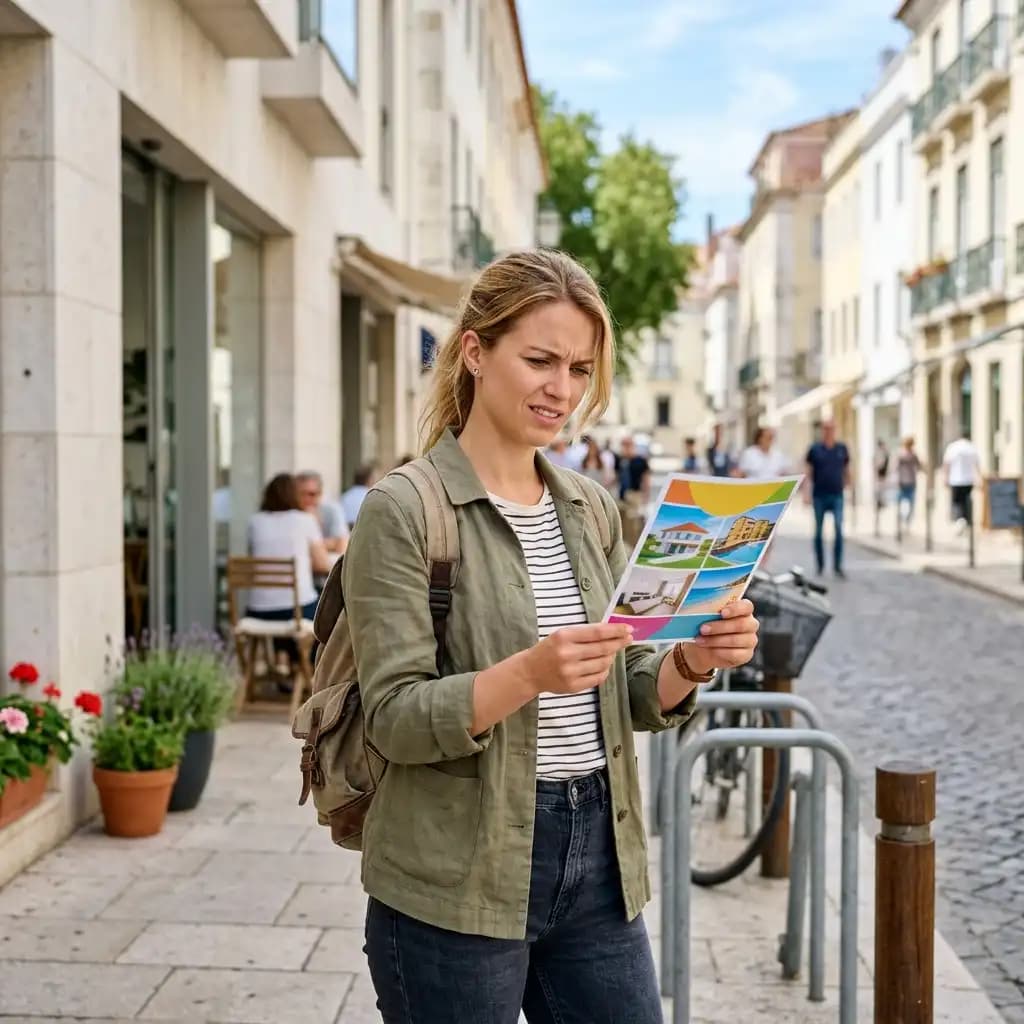
A tourist reading a printed rental flyer with a skeptical expression, illustrating the caution the guide recommends around below-market listings.

Vietnam is broadly safe, but a small number of scam patterns show up repeatedly enough across rentals, gyms and restaurants that they're worth knowing before you arrive, not after.

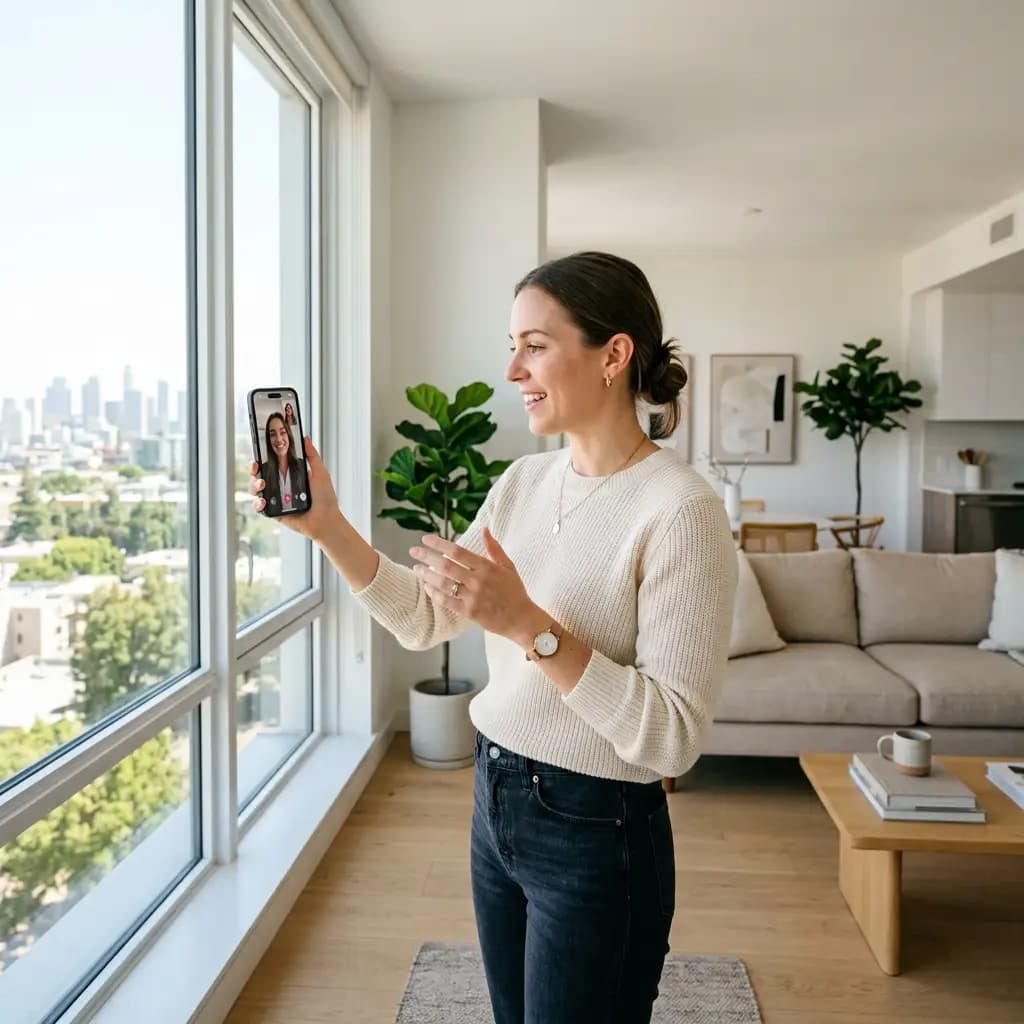
The most common rental scam is a listing priced well below the local market with an agent who pressures a deposit before any viewing. No website badge removes this risk on its own — always see the property in person or by live video call, and confirm the landlord's identity and ownership documents before you pay.

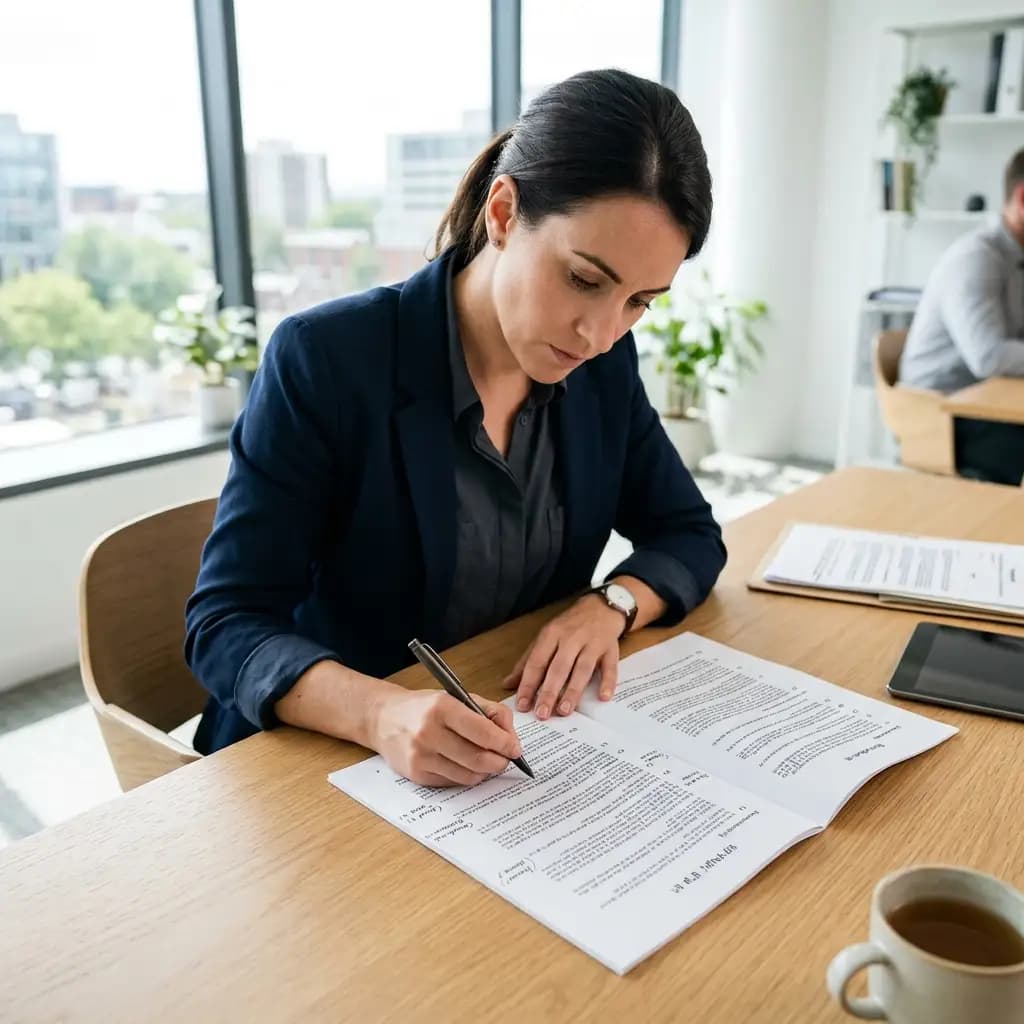
For gyms, the pattern is annual contracts sold as a one-time discount that isn't actually cancellable. Read the cancellation clause before signing anything, in writing.

For restaurants and nightlife, the classic tourist-area scam is a menu without prices, or two menus — one for locals, one for foreigners. Vietnam Portal only lists places with published price ranges for exactly this reason.

The general rule across all three categories: legitimate businesses in Vietnam are used to foreigners asking questions and showing proof before paying. Hesitation to answer a direct question about price, contract terms, or legal status is the single best warning sign.

Photos
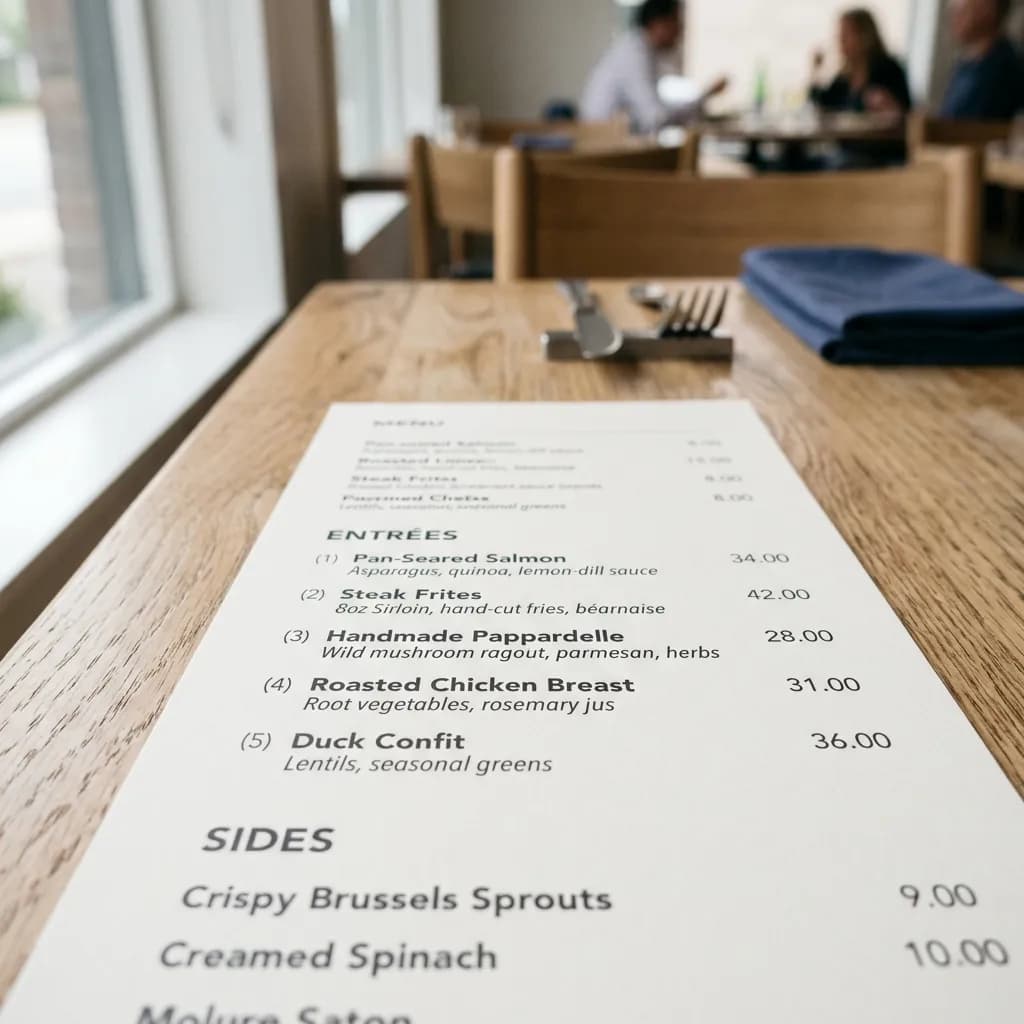
A close-up of a restaurant menu with clearly printed prices — the 'good' example the guide contrasts against unpriced tourist menus.
Two people at a table reviewing rental deposit terms together, calm and unhurried — the opposite of the pressured-deposit pattern the guide warns about.
A street market stall with visibly displayed price tags on goods, an example of transparent pricing.
A person doing a live video call on their phone to walk through an apartment remotely, the verification step the guide recommends when an in-person viewing isn't possible.
A close, careful read of a contract document, representing the guide's advice to check cancellation clauses in writing before signing.
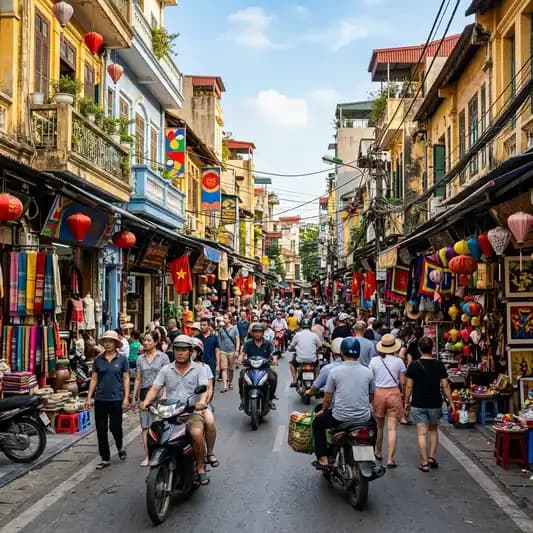
A busy tourist-area street scene with shops and signage, the general setting where the guide's scam patterns tend to show up.
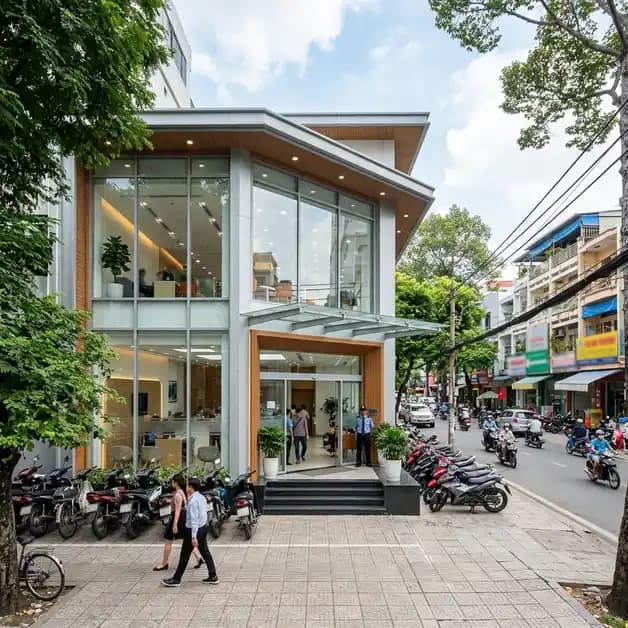
A bank branch exterior, relevant to the guide's broader point about handling payments safely.
A tenant and an agent shaking hands after a straightforward, transparent transaction.
A clean graphic-style close-up of a checklist with a pen, representing the checks to do before paying a deposit referenced throughout the guide.

Frequently asked questions

Is Vietnam safe for tourists and expats?

Yes, broadly. Violent crime targeting foreigners is rare. The realistic risks are financial — overpriced listings, fake urgency on deposits, and tourist-menu pricing — not physical safety.

What's the most common rental scam?

A below-market listing where the agent pressures you to pay a deposit before viewing the unit, in person or on a video call. Treat that pressure itself as the red flag.

How do I verify a listing is legitimate?

Insist on a viewing in person or by live video call, confirm who owns the property, and get all deposit and contract terms in writing before paying anything.