Vietnam Portal

Getting a SIM Card in Vietnam

Which carrier to pick, what a tourist eSIM costs versus a local SIM, and the paperwork you actually need at the airport or a carrier store.

By Vietnam Portal Editorial Team(who writes this?)
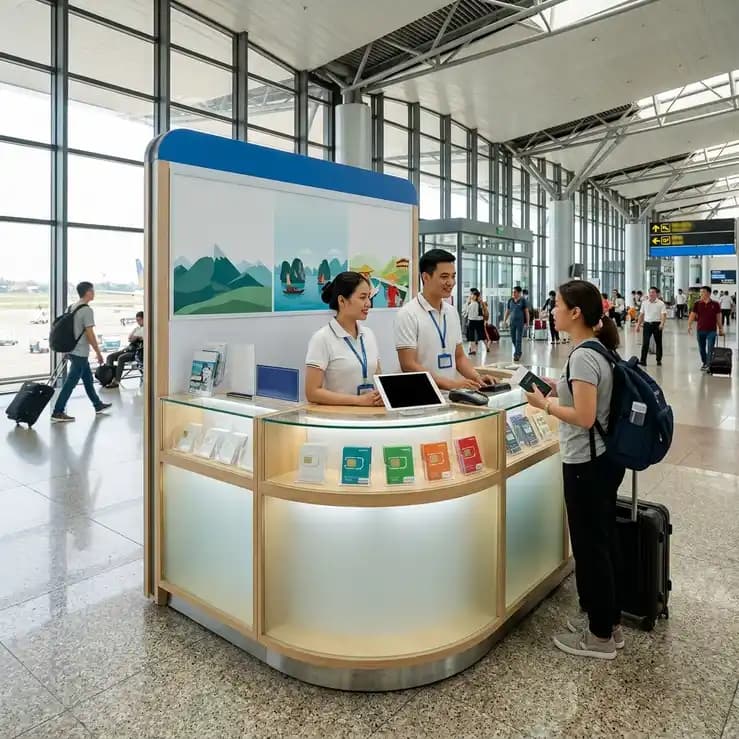
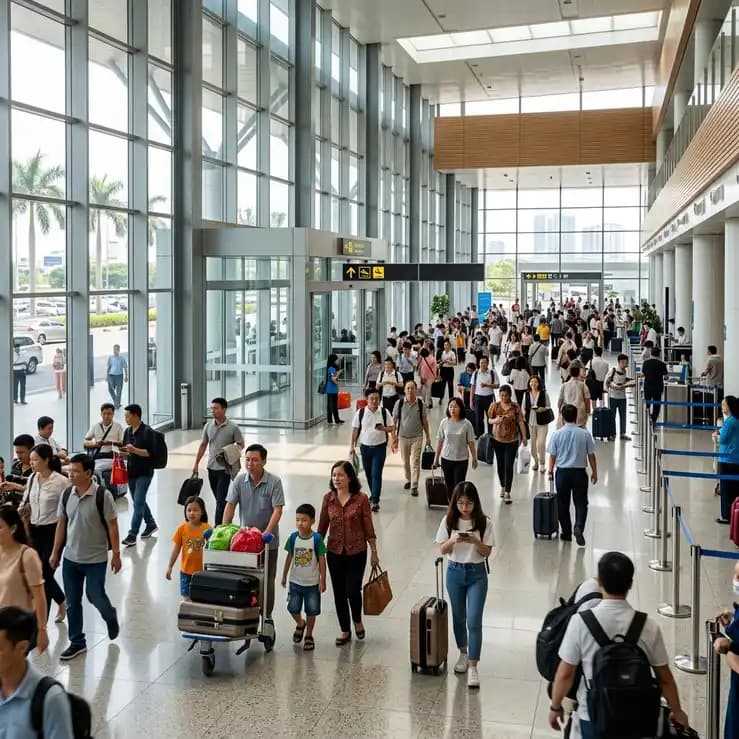
A SIM card kiosk counter inside a Vietnamese airport arrivals area, the first stop the guide describes for most travelers.

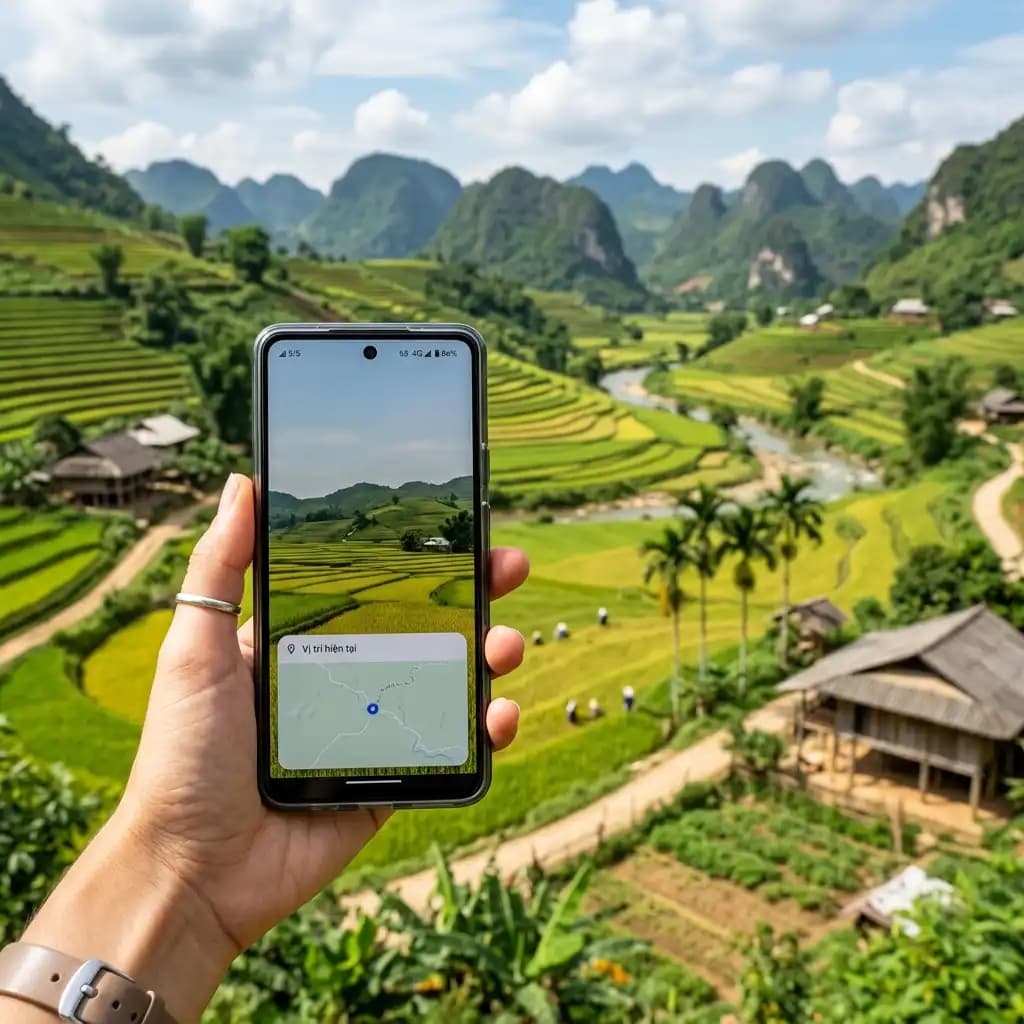
Vietnam has three major carriers — Viettel, Mobifone, and Vinaphone — and all three sell tourist-friendly data SIMs at airport kiosks in Hanoi, Da Nang, and Ho Chi Minh City the moment you land. Viettel has the widest rural coverage, which matters if your trip includes Phu Quoc, Sapa, or anywhere outside the five major cities.

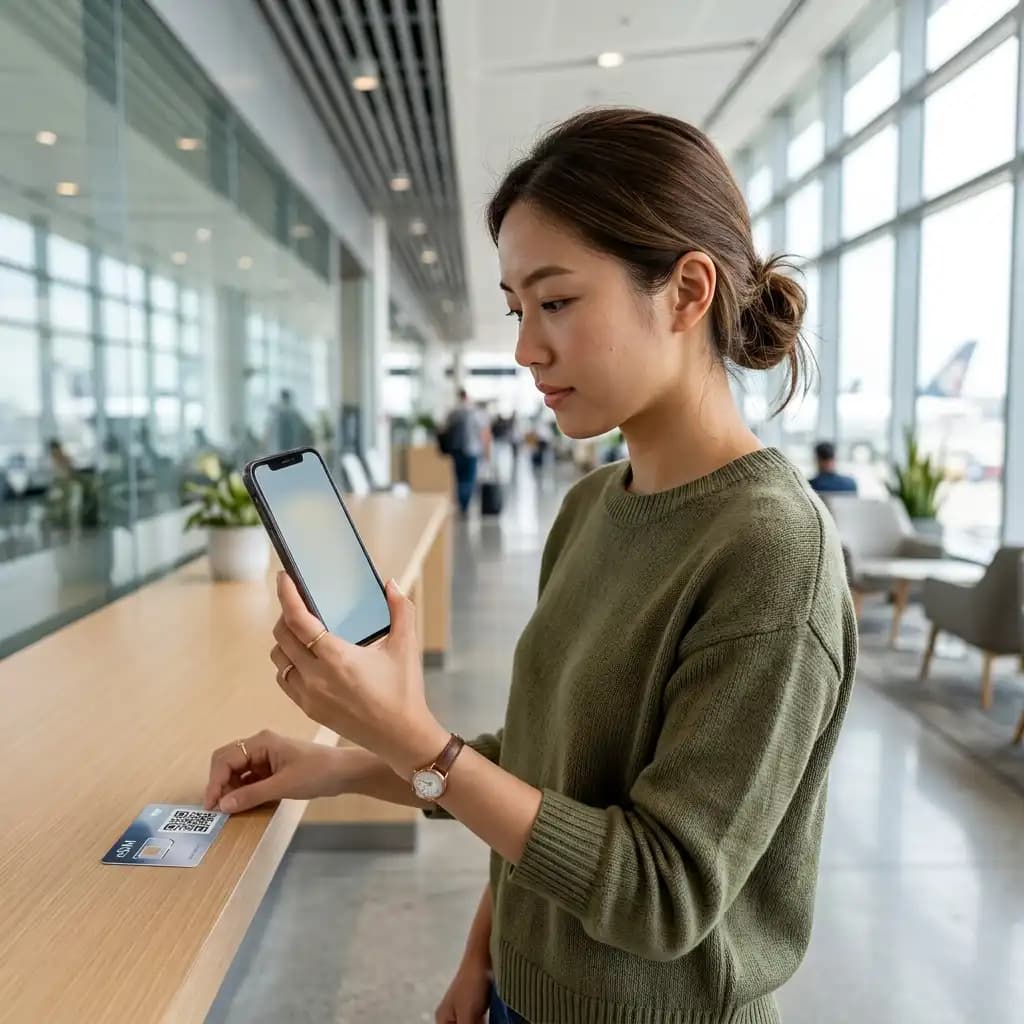
A prepaid tourist SIM with 4–5GB/day of data typically runs $5–10 for a 30-day plan bought at the airport, slightly cheaper at a carrier's own retail store in the city if you don't mind the trip. eSIMs are available from the same three carriers and from international resellers, and are worth it if your phone supports one — no queue, no physical card to lose.

You'll need your passport to register any SIM, tourist or long-term — Vietnamese law requires ID registration for all mobile numbers, foreigners included. A long-stay resident SIM (for expats staying more than a month) needs the same passport plus, at some carrier stores, proof of address; airport kiosks only sell the short-term tourist product.

If you're renting an apartment through Vietnam Portal, sort out your SIM before or right after check-in — you'll want data working for the Grab app and for contacting your agent, and most listings' agents communicate over Zalo, which needs a working Vietnamese or international number to set up.

Photos
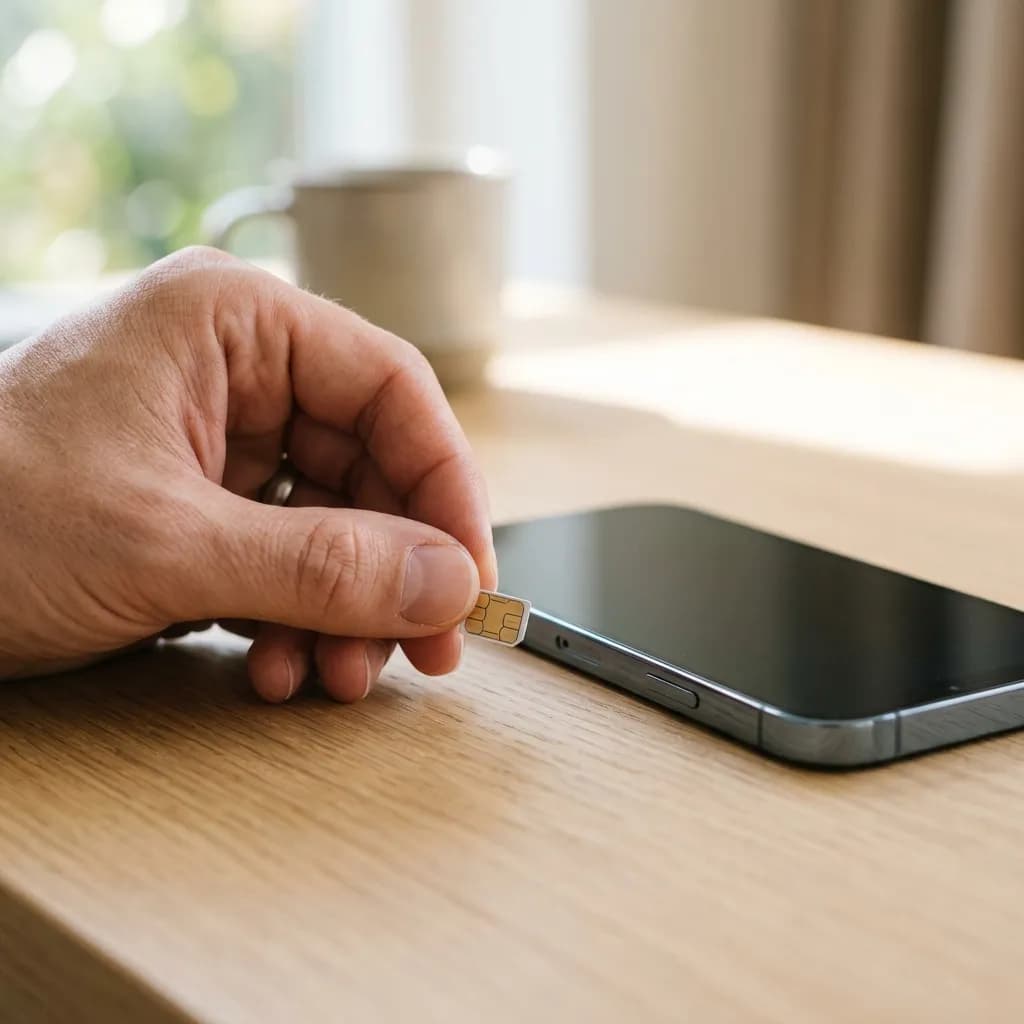
A close-up of a hand holding a SIM card next to a smartphone, about to insert it.
A generic Vietnamese mobile carrier retail storefront, no specific brand signage, representing the in-city alternative to an airport kiosk.
A passport resting next to a SIM card packet on a table, illustrating the mandatory ID registration the guide describes.
A person scanning an eSIM QR code on their phone screen, the no-queue alternative the guide recommends if your phone supports it.
An airport arrivals hall in a Vietnamese city, busy with arriving travelers.
A smartphone showing full signal bars against a rural Vietnamese landscape backdrop, illustrating the wider rural coverage the guide attributes to Viettel.
A person using a messaging app on their phone, representing the Zalo-based agent communication the guide mentions needing a working number for.
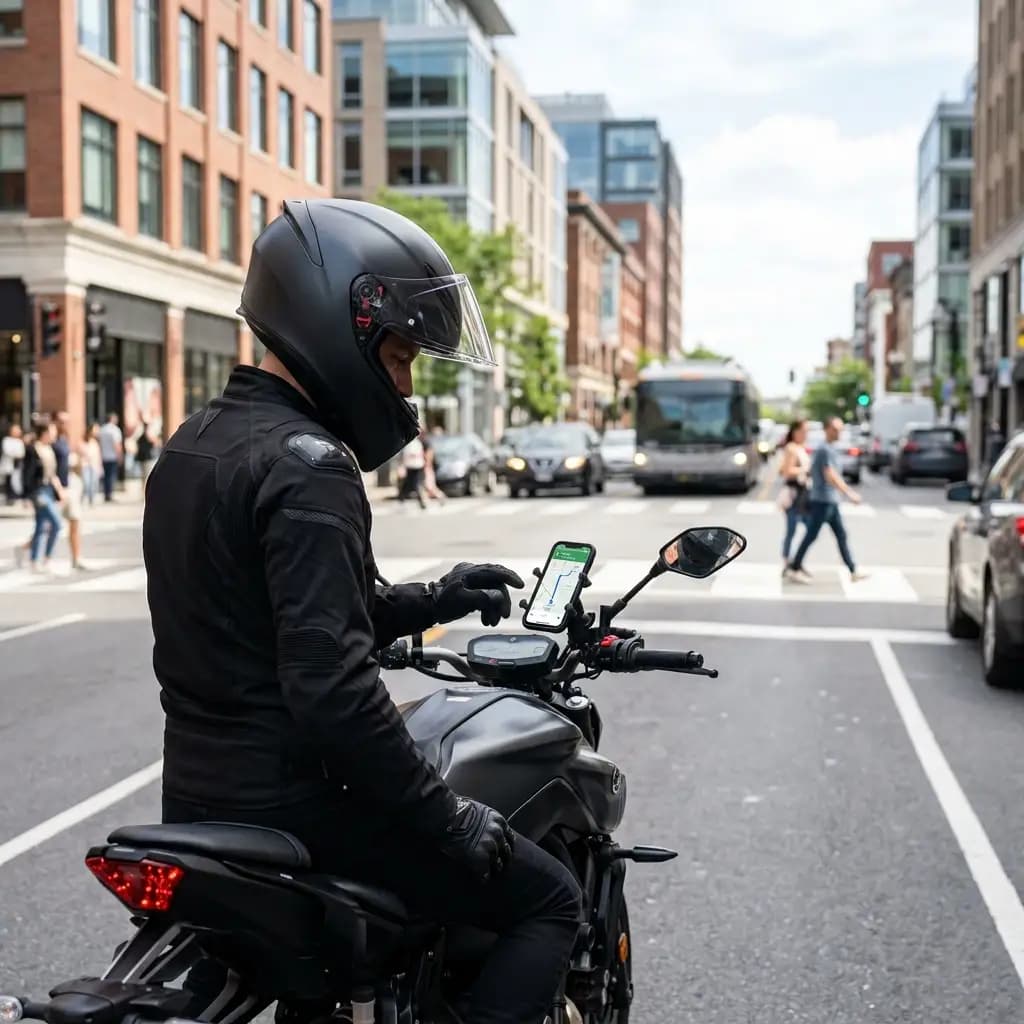
A motorbike rider glancing at a phone mounted for navigation on a city street, relevant to needing working data on arrival.
A close-up of a phone screen displaying an incoming SMS verification code, the final registration step for any new SIM.

Frequently asked questions

Which Vietnamese carrier should I choose?

Viettel has the widest coverage, including rural areas and islands like Phu Quoc. Mobifone and Vinaphone are equally reliable in the five major cities covered on Vietnam Portal.

Do I need my passport to buy a SIM card?

Yes. Vietnamese law requires passport registration for every mobile number, tourist and long-term SIMs included.

Is an eSIM better than a physical SIM in Vietnam?

If your phone supports eSIM, it saves an airport queue and there's no physical card to lose. Pricing is comparable to a physical tourist SIM from the same carriers.

Browse related listings